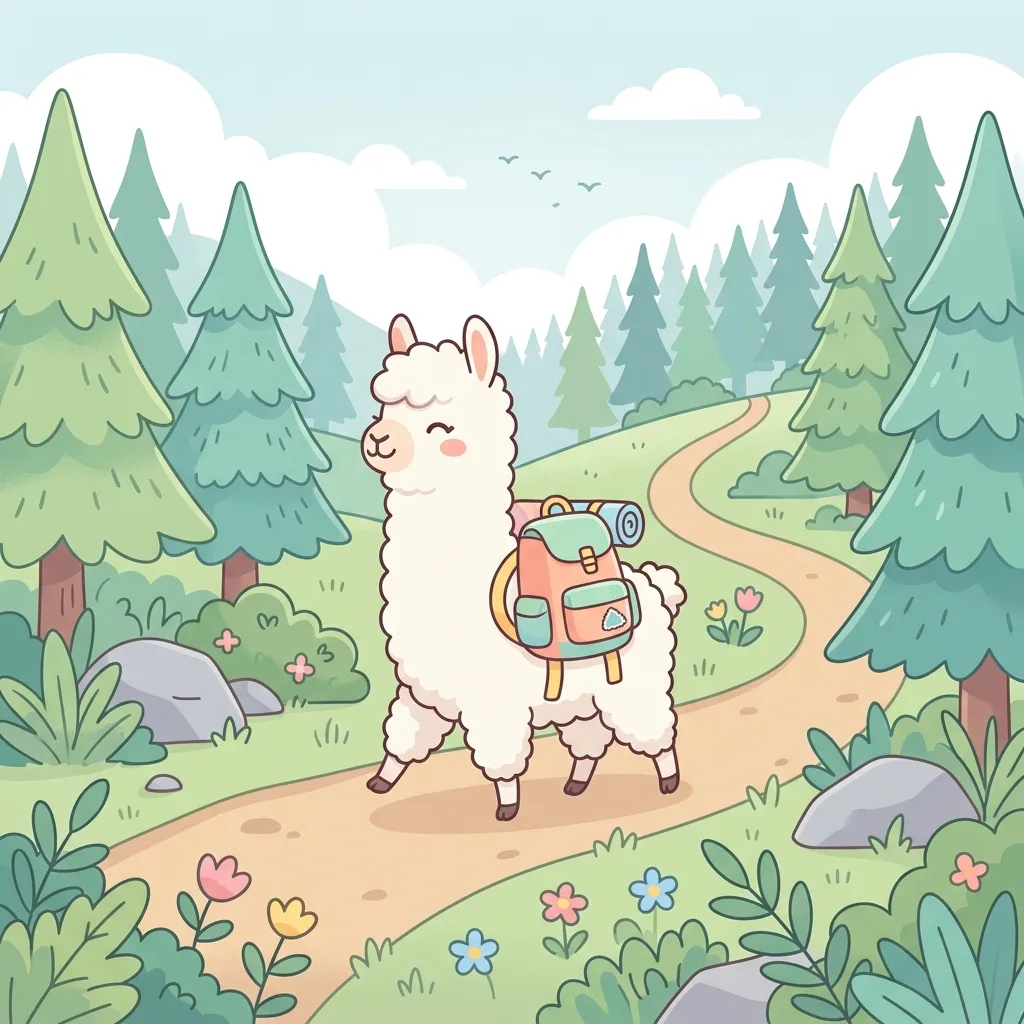
Llama Trekking and Rural Tourism: Best Experiences in Europe
Guide to llama trekking and agritourism: best destinations in Spain, France and UK, what to expect, prices and how to book a llama walking experience.
Llama trekking and rural tourism have grown into a thriving niche across Spain, France, the United Kingdom and several Latin American countries. Visitors pay to walk with llamas through natural landscapes, participate in their care, or stay on specialist farms. The experience combines close contact with nature, Andean cultural heritage and the undeniable visual appeal of these animals. This guide covers the top destinations and everything you need to organise your visit.
Europe: A Pioneer in Responsible Llama Rural Tourism
Established destinations and differentiated experiences
Europe has developed a mature ecosystem of llama tourism that blends rural tradition with innovation in hospitality:
| Country/Region | Type of experience | Best season | Average price/day |
|---|---|---|---|
| Spain (Picos de Europa) | Multi-day treks, educational farms | May–September | €85–150 |
| United Kingdom (Lake District) | Walking experiences, afternoon tea with llamas | April–October | €120–200 |
| Germany (Bavaria) | Wellness retreats, fiber workshops | Year-round | €95–180 |
| France (Provence) | Gastronomic tours, lavender field walks | June–August | €110–190 |
| Switzerland (Alps) | High-mountain expeditions, luxury glamping | June–September | €200–350 |
Successful rural business models
European farms have developed diverse revenue streams that maximise visitor satisfaction and community benefit:
- Farm-to-table experiences: Meals prepared with local produce while llamas graze nearby.
- Educational programmes: Workshops on sustainable agriculture, fiber processing and animal care.
- Therapeutic tourism: Animal-assisted therapy sessions for stress relief and emotional healing.
- Corporate retreats: Team-building activities incorporating llama care and outdoor challenges.
- Seasonal events: Harvest festivals, shearing demonstrations and festive celebrations.
Regulations and quality certifications
Europe leads the world in standards for ethical animal tourism:
- EU animal welfare standards: Strict guidelines for tourist interaction with working animals.
- Organic farming certification: Many llama farms maintain eco-status for feed and land management.
- Sustainable tourism labels: Green certificates guaranteeing minimal environmental impact.
- Insurance requirements: Comprehensive coverage for both animals and tourists.
- Guide certification programmes: Professional training for handlers and tour guides.
South America: Authentic Origins and Community Tourism
Experiences in native territories: Peru, Bolivia and Ecuador
Llama tourism in their natural habitat offers deep cultural connections impossible to replicate elsewhere:
| Destination | Standout experience | Difficulty level | Community impact |
|---|---|---|---|
| Peru (Sacred Valley) | Llama walks along traditional Inca trails | Moderate–High | Direct employment for local weavers and muleteers |
| Bolivia (Salar de Uyuni) | Llama caravan crossings of the salt desert | Moderate | Support for local salt cooperatives |
| Ecuador (Chimborazo) | High-altitude expeditions with pack llamas | High | Funding for Andean conservation projects |
Community tourism models and sustainability
Andean communities manage tourism initiatives that protect their natural and social heritage:
- Communal ownership: Tourism income is reinvested in school and medical infrastructure.
- Pasture rotation: Tourist trails are managed to prevent soil erosion and overgrazing.
- Genetic conservation: Tourism programmes promote the breeding of traditional llama breeds.
- Water management: Restoration of high-altitude wetlands vital for local wildlife.
Cultural preservation and ancestral rituals
Visitors take part in living traditions that celebrate the sacred relationship with llamas:
- The Challa ritual: Traditional blessing of llama caravans before setting out on journeys.
- Natural dyeing techniques: Demonstrations of fiber spinning and dyeing with indigenous plants.
- Andean gastronomy: Preparation of dishes with traditional ingredients such as quinoa and charqui.
- Folk music and dance: Community celebrations that tell stories of Andean muleteers.
North America: Expansion and Diversification
The US and Canadian market: from packing to lifestyle
North America has integrated llamas into recreational adventure and rural leisure activities:
| State/Province | Programme type | Target audience | Average price |
|---|---|---|---|
| Colorado (Rockies) | Multi-day wilderness packing | Mountaineers and backpackers | $150–250 / day |
| Oregon (Willamette Valley) | Vineyard walks and wine tasting | Wine tourists and couples | $95–160 / tour |
| Alberta (Canadian Parks) | Winter eco-tourism and snowshoe walks | Families and active adventurers | $110–180 / day |
Llama packing and wilderness adventure programmes
Using llamas as pack animals in national parks offers low-ecological-impact alternatives:
- Light footprint: Llamas’ soft padded feet do not damage trails the way horseshoes or mule hooves do.
- Carrying capacity: They can carry up to 25% of their body weight in gear (tents, food, etc.).
- Wilderness access: Their adaptability allows exploration of remote mountain areas.
- Hiking autonomy: Llamas graze on natural forage along the trail, reducing the need to carry extra feed.
Integration into peri-urban agriculture and hobby farms
Recreational farms near cities use llamas to connect with urban audiences:
- Weekend visits: Families seeking contact with nature without long-distance travel.
- Yoga with llamas: Outdoor relaxation sessions with the peaceful presence of the animals.
- Event photography: Hiring llamas for wedding photo shoots and fashion campaigns.
- Adoption programmes: Animal sponsorship that helps fund farm upkeep.
Animal Welfare in Llama Tourism
Care protocols and work limits
Responsible tourism demands the highest respect for the physical and mental wellbeing of llamas:
| Stress indicator | Physical sign | Recommended immediate action |
|---|---|---|
| Heat fatigue | Rapid open-mouthed breathing, drooling | Stop walking, provide shade and cool chest and legs with cold water |
| Overloading | Refusal to rise or walk, audible complaints | Lighten the load, check pack fit and allow rest |
| Social anxiety | Ears fully pinned back, high-pitched humming | Separate from the crowd, bring companion llamas close and reassure |
Training and socialisation for tourism
Tourist llamas require careful preparation to ensure safe and stress-free interactions:
- Early desensitisation: Accustoming animals to noises, unfamiliar objects and respectful human contact.
- Halter training: Learning to walk calmly on a lead and follow basic guide cues.
- Herd socialisation: Maintaining stable group dynamics to prevent isolation stress.
- Work rotation: Preventing fatigue by alternating each animal’s activity days.
Facility design and ethical transport
Farm infrastructure must guarantee the comfort and safety of camelids:
- Ventilated shelters: Spacious structures that protect from sun, rain and cold winds.
- Adapted trailers: Transport vehicles with safe ramps, good ventilation and non-slip flooring.
- Exclusive rest areas: Paddocks away from visitors where animals can graze undisturbed.
- Clean water access: Easily accessible troughs ensuring constant hydration throughout the day.
Designing and Marketing Llama Tourism Experiences
Market niche identification and segmentation
Designing successful experiences requires tailoring activities to different visitor profiles:
| Segment | Desired characteristics | Recommended experience |
|---|---|---|
| Families with children | Short, safe, interactive learning activities | Educational farm workshops and short walks on flat trails |
| Wellness seekers | Mindfulness, disconnection and nature | Llama yoga retreats and silent meditation walks |
| Adventure lovers | Demanding crossings, camping and spectacular scenery | Multi-day high-mountain trekking with pack llamas |
Digital marketing strategies for niche tourism
Promoting llama experiences relies on visual and narrative digital channels:
- Impactful visual content: Share photos and videos of llamas on social media to create an emotional connection.
- Conservation storytelling: Tell real stories about the origin, name and care of each individual llama.
- Reviews and influence: Encourage guests to share authentic experiences on platforms like TripAdvisor.
- Local partnerships: Collaborate with rural tourism boards and nearby hotels to offer joint packages.
Managing expectations and customer safety
Safe tourist interactions require clear communication of safety rules:
- Mandatory initial briefing: Explain to visitors how to interact respectfully with llamas before starting.
- Waivers and consent forms: Ensure customers understand the rules and accept basic safety responsibilities.
- Qualified on-trail staff: Guides trained in both human first aid and basic veterinary medicine.
- Route capacity limits: Small groups to ensure constant supervision and avoid animal stress.
The Future of Rural Llama Tourism
Trends and regenerative tourism
The tourism of the future is moving towards regenerative models where travellers leave the environment better than they found it:
- Active ecological care: Tourist caravans help sow native seeds along the trail.
- Carbon offsetting: Tourism initiatives linked to reforestation of degraded mountain areas.
- Community education: Workshops teaching visitors to respect the soil and understand high-altitude water cycles.
- Local connection: Real support for traditional craft commerce through integrated visits to local weavers.
Climate change challenges and habitat adaptation
Llama tourism farms must adapt to new global climate realities:
- Heat stress management: Installing misting systems in stables in heat-prone areas.
- Pasture security: Efficient irrigation systems and drought-resistant fodder crops.
- Health monitoring: Enhanced veterinary surveillance against new pests and parasites driven by climate change.
- Schedule adjustments: Flexible tourist seasons to avoid activities during extreme heat hours.
International collaborations and breeder networks
Global cooperation strengthens the llama tourism sector and raises standards of care:
- Best practice exchange: World forums where breeders share methodologies and care techniques.
- Genetic data banks: Collaborative networks to preserve the health and diversity of camelids.
- Unified global certifications: Creation of ethical animal tourism seals with international validity.
- Cross-training programmes: Exchange of llama guides and handlers between farms on different continents.
Llama Tourism: An Experience Worth Having
Llama trekking and rural tourism is not just a fun walk — it is a way to connect with nature, slow down, and support animal conservation in an ethical and sustainable way. An experience that is guaranteed to leave a lasting impression on your heart. Are you ready to plan a mountain trek with llamas? Plan your next trip and let us know how it goes!
TodoLlamas Team
Passionate about Andean culture and the world of camelids. Our mission is to research and share the most curious information about llamas.